Tuesday, December 16, 2014
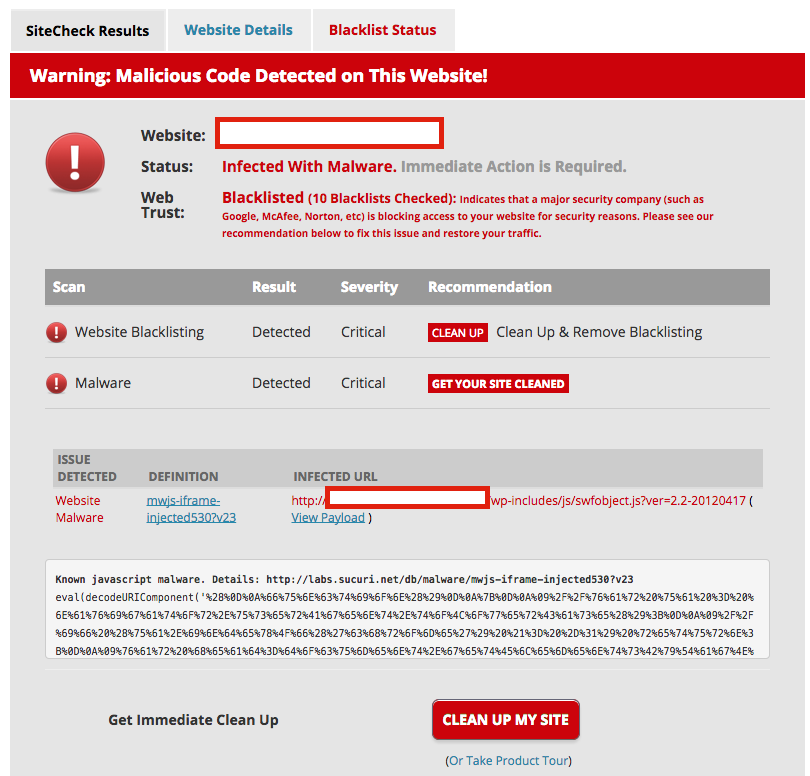
Russian Malware Is Infecting 100,000+ Wordpress Sites
Sunday, December 14, 2014
Microsoft, Adobe Push Critical Security Fixes
Tuesday, October 16, 2012
Opinion: FBI security scare means Apple's iPhone beats Android for BYOD enterprise
Saturday, September 24, 2011
Mac trojan poses as PDF to open botnet backdoor
Saturday, April 17, 2010
The truth about Mac malware. It's a joke - War on Error - Blogs - Technology Blog and Community from IT Experts - Techworld.com
There are less then 200 Mac malware (that’s viruses, worms, Trojans, etc) programs. Having researched these a bit further as many were unfamiliar, I discovered that they are all years old, some going back as far as a decade or more. Study the list closely and you see that many of them are variants, that is slightly different versions of the same piece of code.
As impressively long as the list looks, this is in fact a fair chunk of ALL the malware that has afflicted the Mac in the last decade. Is this the best the Mac malware writers can do? One of the examples is a reheated virus from - no kidding - 1989."
"Apple antivirus company Intego has discovered a backdoor malware attack targeting Mac users OSX.HellRTS.D. As with so many of the small number of Mac-specific malware attacks that come up from time to time, this one is a variant of an attack from 2004, the company said, which will sound quaint to Windows users hit by thousands of variants on most days."
Posted using ShareThis
Saturday, August 15, 2009
New Mac OS X DNS changer spreads through social engineering
TrendMicro is reporting on a newly discovered4th member of the OSX_JAHLAV malware family.
The latest variant is once again relying on social engineering, this time spreading under a QuickTime Player update (QuickTimeUpdate.dmg) with a DNS changer component enabling the malware authors to redirect and monitor the traffic of the victim.
More info on OSX_JAHLAV.D:
The Trojan contains component files detected as UNIX_JAHLAV.D and obfuscated scripts detected as PERL_JAHLAV.F. The Perl script then downloads a file from a malicious site and stores it as /tmp/{random 3 numbers}, detected as UNIX_DNSCHAN.AA, which allows a malicious user to monitor the affected user’s activities. This may also cause the user to be redirected to phishing sites or sites where other malware may be downloaded from.
Not only are cybercriminals beginning to acknowledge the “under-served” Mac OS X segment, but also, they’re already borrowing tricks from the Microsoft Windows playbook such as OS-independent tactics like fake codecs and bogus video players. The irony? Both the Mac OS X and Windows malware are hosted on the same domains, with copies of each served on the basis on browser detection.
Read the full story at ZDNet by Dancho Danchev
Still for security, you can't beat Mac OS X because we know of well over 236,000 malicious malware items. These are mostly meant for the MS-Windows environment. Only about 700 are meant for the various Unix/Linux distributions. Current known Mac OSX malware count is even less with 20, so pretty much non-existent at the moment.
Monday, March 30, 2009
Apple Mac malware: caught on camera
Oh, and Windows users shouldn't feel too smug about this either. If you visit the site on a Windows computer, it will serve up a malicious Windows executable from the Zlob family of malware rather than a Mac OS X Trojan horse."
This attack does not depend on any browser vulnerabilities - it works by the user being convinced via social engineering that this is a program that they would like to run on their computer.
read more | digg story